
Categories List
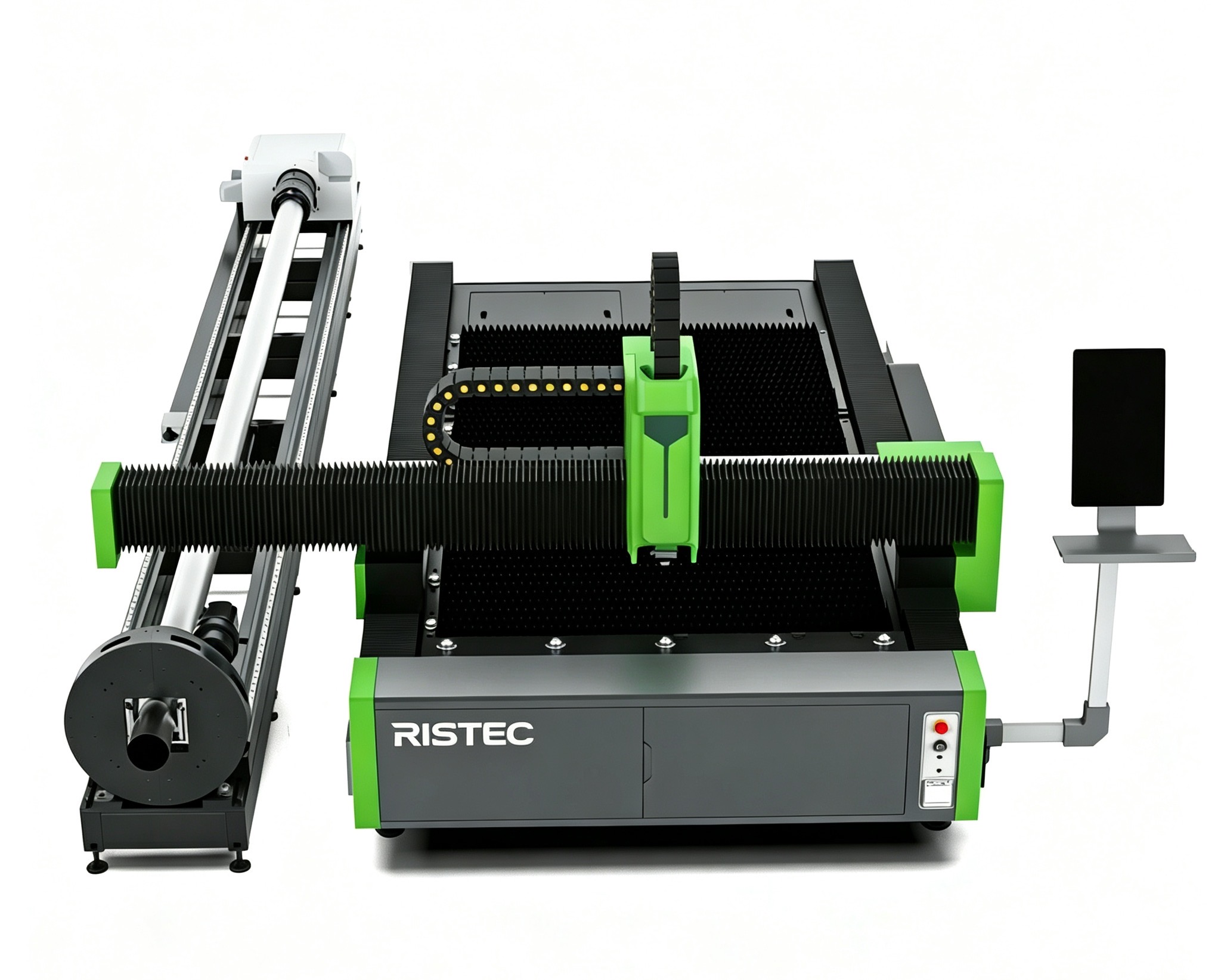
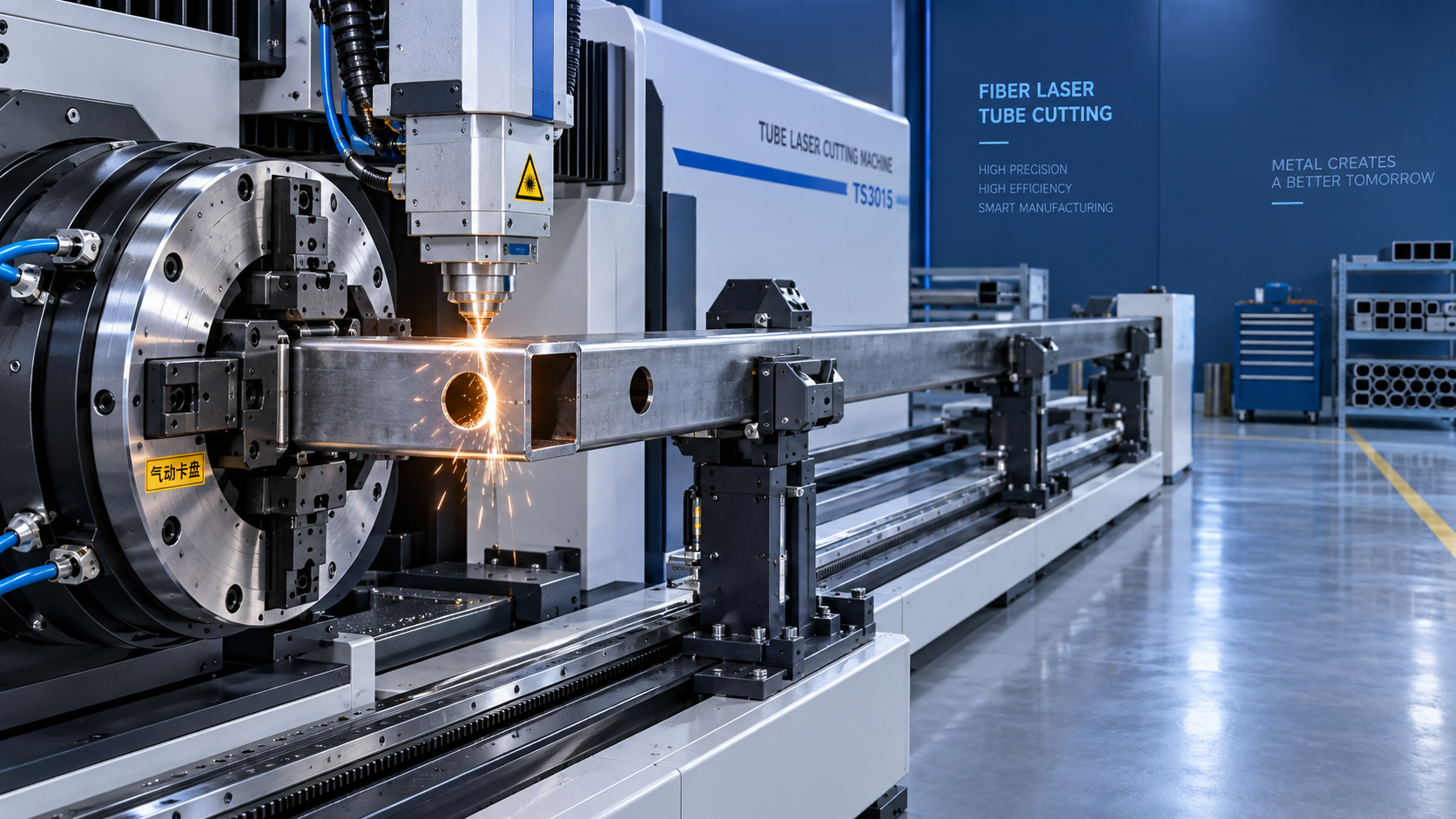
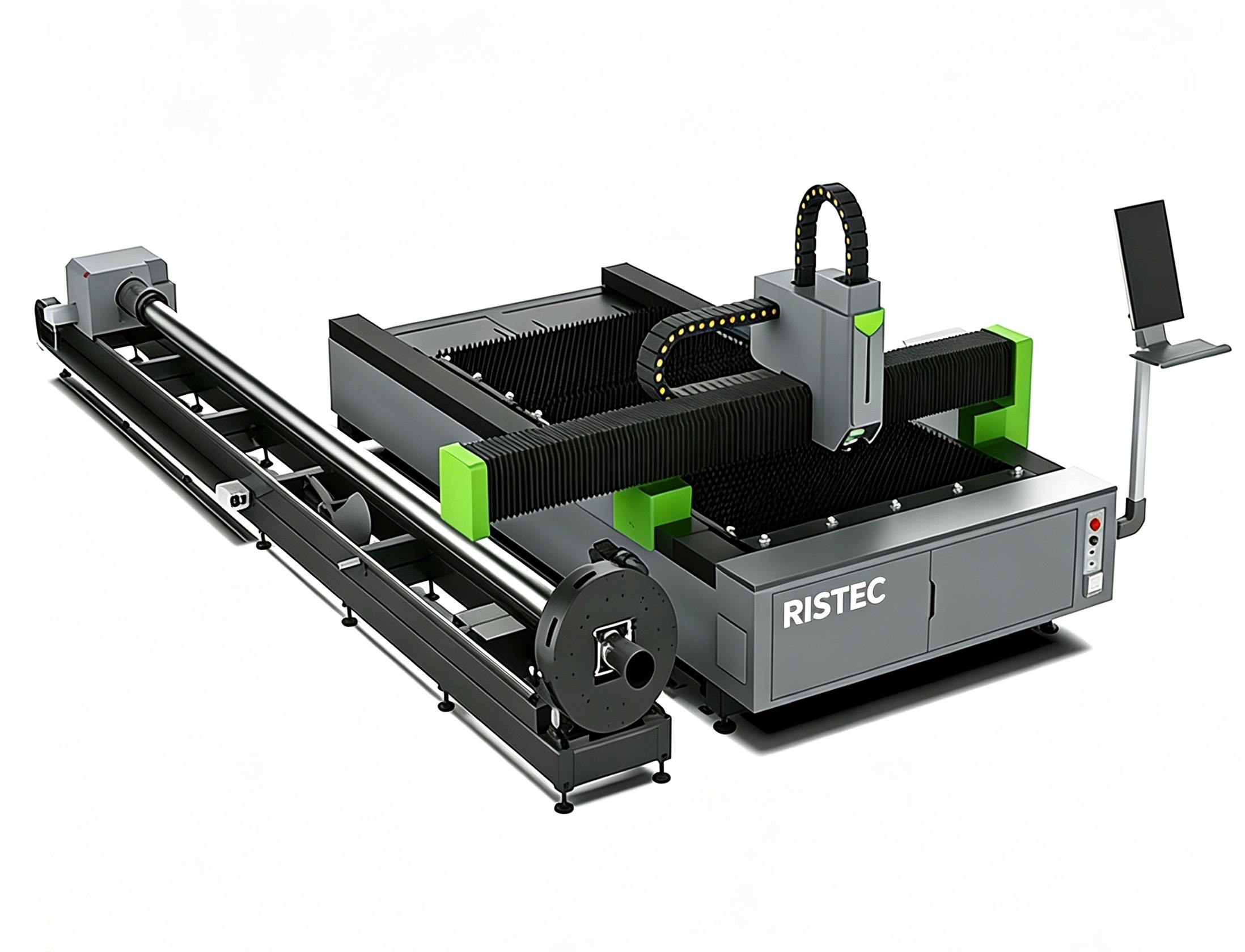
Large Format Laser Cutter Buying Factors for Full-Size Panels and Heavy Workloads
What Procurement Teams Usually Miss When Evaluating a Large Format Laser Cutter
A Large Format Laser Cutter is often reduced to two headline numbers: bed size and laser power. That is exactly where many buying decisions go off track. For full-size panels and sustained industrial workloads, the real question is not whether the machine can cut a large sheet once. It is whether it can hold accuracy, edge quality, speed stability, and uptime across repeated shifts without becoming expensive to maintain.
In practical factory terms, “large format” matters because bigger sheets amplify every weakness in the machine structure. Gantry rigidity, frame stress relief, motion control tuning, and table support all become more critical as sheet dimensions increase. A machine that performs acceptably on smaller blanks may show position drift, inconsistent kerf, vibration marks, or uneven acceleration when asked to process full-size panels day after day.
That is why experienced buyers look past headline specifications and ask a more useful set of questions: How stable is the machine at the far ends of the working area? Does cutting quality remain consistent across the whole table? Can the control system keep motion smooth during long contours and dense nested parts? These points matter more than marketing claims about peak speed that may only apply under limited test conditions.
Large Format Changes the Buying Logic
A large working envelope does not simply mean “more capacity.” It changes handling, throughput planning, and risk exposure. Full-size sheet processing usually appears in operations where material cost is meaningful, scrap is visible, and delays affect downstream bending, welding, or assembly. In that context, a poor machine decision is not just a technical inconvenience. It can reshape labor efficiency, delivery performance, and usable output per shift.
This is also where machine tool build philosophy matters. RISTEC, as a CNC manufacturer focused on in-house quality control and precision engineering, works from a principle that many procurement teams eventually learn through experience: when quality is not outsourced, it is easier to trace stability back to the machine structure, assembly discipline, and calibration consistency. That does not remove the need for due diligence, but it does change how confidently a buyer can assess long-term repeatability.
What Deserves More Attention Than Wattage
Power still matters, especially when thickness range and cut speed are part of the target output. But procurement teams tend to overestimate how much wattage alone determines production results. For heavy workloads, several less visible factors usually have greater commercial impact:
- Machine bed and gantry rigidity, which affect vibration control and positional consistency.
- Drive system quality, including servo response and synchronization over long travel distances.
- Thermal behavior during continuous operation, especially where long shifts are routine.
- Cutting head stability and height control, which influence edge quality and piercing reliability.
- Software nesting efficiency and operator workflow, which directly affect material utilization and machine hours.
- Service access to consumables, spares, and diagnostics.
When buyers compare machines only through brochure specifications, they often miss the difference between installed capability and usable capability. A machine may look strong on paper yet struggle with consistent output under mixed jobs, frequent changeovers, or long production cycles.
Accuracy Is Not a Single Number
One common misunderstanding is treating accuracy as a fixed, universal value. In reality, accuracy has several layers: positioning accuracy, repeatability, contour accuracy, hole quality, and cut consistency over the entire sheet. A procurement review should ask how those factors behave under actual production conditions, not just under a short acceptance test.
For example, full-size panel work often includes long straight cuts, nested parts near sheet edges, and repeated piercings across broad travel distances. Those tasks reveal whether the motion platform remains stable and whether the control system compensates well during high-speed transitions. On heavier workloads, the machine must also recover cleanly from heat buildup, dust exposure, and prolonged operation. A nominal accuracy figure says very little if performance degrades after hours of continuous cutting.
Heavy Workloads Expose the Real Cost Structure
For purchasing teams, the better lens is total operating behavior rather than purchase price alone. Heavy-duty use brings hidden cost drivers into the foreground: nozzle and lens consumption, unplanned downtime, assist gas efficiency, operator intervention frequency, and the time lost to recalibration or troubleshooting. A lower initial price can stop looking attractive once those variables are measured over months of production.
This is where machine selection becomes less about features and more about system discipline. Buyers evaluating a Metal Sheet Fiber Laser Cutter for production-scale work should check whether the supplier can explain maintenance intervals, fault diagnosis paths, and the likely wear points under their material mix. A credible manufacturer should be able to discuss not only what the machine can do, but what it needs to keep doing it reliably.
Questions That Lead to Better Decisions
A useful procurement process usually includes questions like these:
- How is frame stability ensured for large-sheet processing?
- What performance differences appear between thin sheet optimization and thick plate production?
- How does the machine behave during continuous multi-shift operation?
- What local or remote service structure supports troubleshooting?
- Which parts of the machine are most sensitive to operator skill, material variation, or maintenance quality?
These questions do more than compare vendors. They reveal whether the supplier understands industrial use beyond sales language. In many cases, the depth and clarity of the answer is itself part of the evaluation.
The Supplier Matters Almost as Much as the Machine
With large-format equipment, after-sales support is not a side issue. Installation quality, training depth, commissioning discipline, and technical responsiveness can shape the first year of ownership. For procurement teams, this means the vendor should be assessed as an operating partner, not just an equipment source.
That is one reason buyers often favor manufacturers with strong control over production quality and engineering standards. A company such as RISTEC is positioned around that logic: precision is designed into the machine, not treated as an external add-on. In a category where tolerances, structural stability, and repeatable assembly all affect output, that distinction carries practical value.
It also helps explain why two machines that appear similar in size and power can produce very different ownership experiences. One may be suitable for occasional large-sheet jobs; another may be built for continuous industrial throughput. A second look at a Metal Sheet Fiber Laser Cutter should always include that distinction.
A Better Way to Judge Fit
The best buying decision is usually made when the Large Format Laser Cutter is evaluated as a production asset, not as a standalone machine specification. Full-size panels and heavy workloads demand stable mechanics, consistent motion control, realistic throughput, and support that holds up after installation. If a machine can deliver those things across the entire working area and over sustained operating hours, it is far more likely to generate reliable return than one chosen for headline numbers alone.
For procurement teams, that means narrowing the decision around durability, process stability, serviceability, and repeatable output. Those are the factors that usually separate a machine that looks competitive from one that remains commercially sound under real production pressure.
Leave A Reply
Get real-time quotes
Interested? Leave your contact details.